Source Waterproof Washed Leather Hoodie for Streetwear, Outdoor, and Casual Use
Explore 30 listings for the waterproof washed leather hoodie, comparing features like cotton blends, fixed hoods, and custom logos. Buyers can evaluate sizes, patterns, and lead times from Guangzhou and Hangzhou suppliers to find the right fit for streetwear and casual styles.
Key considerations
Products List


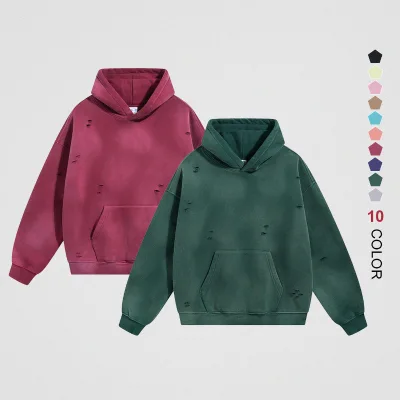
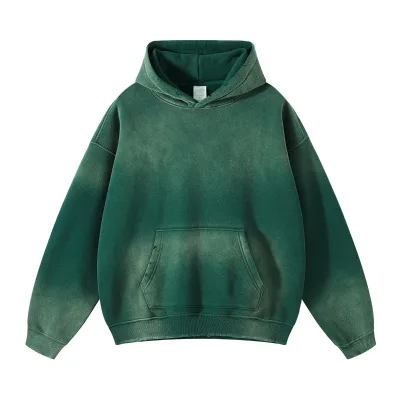
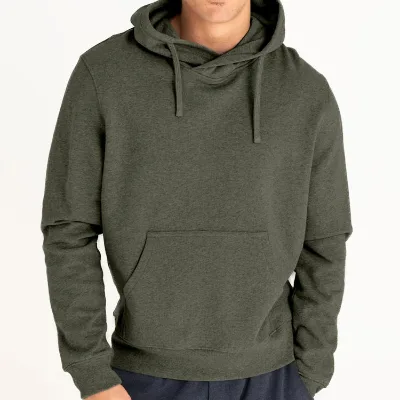
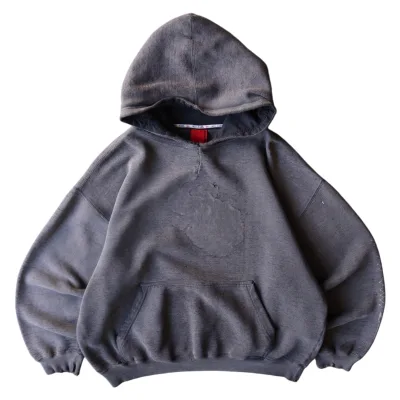


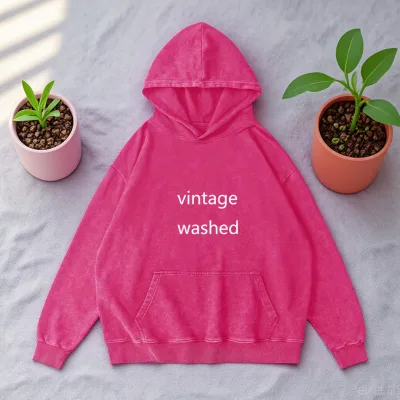
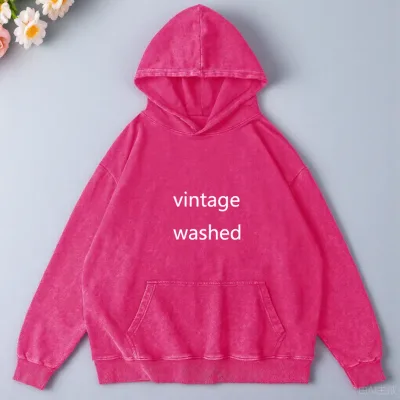
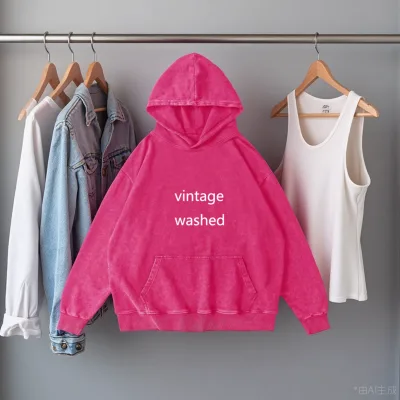
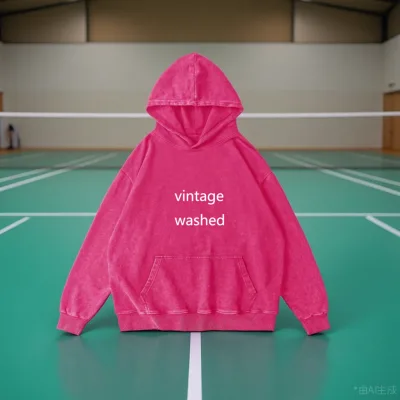


Comprehensive Sourcing Guide
Waterproof Washed Leather Hoodie Sourcing Guide
Sourcing waterproof washed leather hoodies requires a nuanced understanding of material science and manufacturing capabilities, as this specific garment type sits at the intersection of high-fashion aesthetics and functional outerwear. Buyers must recognize that "washed leather" refers to a tanning and finishing process that imparts a soft, vintage look and enhanced flexibility, while "waterproof" indicates a specific treatment or membrane integration. The procurement challenge lies in verifying that the waterproofing does not compromise the breathability or the distinctive hand-feel of the leather. This guide provides a structured approach to evaluating suppliers, ensuring that the final product meets both aesthetic expectations and performance standards for streetwear or casual markets.
The market for these garments is diverse, ranging from luxury fashion brands seeking unique textures to outdoor apparel companies needing durable, weather-resistant pieces. Procurement teams must navigate a landscape where suppliers may offer genuine leather, bonded leather, or high-quality synthetic alternatives that mimic the washed leather appearance. It is critical to establish clear definitions of material composition early in the sourcing process. Misunderstandings regarding the type of leather or the method of waterproofing can lead to significant discrepancies between samples and bulk production, resulting in costly delays and quality disputes.
Product Scope and Observed Listing Signals
Analysis of current market listings reveals a wide variance in product attributes, indicating that the term "waterproof washed leather hoodie" is often used broadly across different material grades. Observed listings frequently highlight customization options, such as accepting customer logos and offering mixed orders, which suggests a flexible supply chain catering to small to medium-sized enterprises. The presence of various model numbers, such as HO020, HO010, and WY08, indicates that suppliers maintain extensive catalogs with distinct designs, ranging from pullover styles to those with specific pocket configurations like kangaroo pockets. Buyers should interpret these signals as evidence of a mature manufacturing ecosystem capable of handling diverse design requests.
Price ranges observed in the market span from approximately $2.40 to $33.17, reflecting the significant disparity between synthetic alternatives and genuine leather products. This broad spectrum underscores the importance of defining material specifications precisely before requesting quotes. Lower price points often correlate with blended materials or thinner leather hides, while higher prices may indicate full-grain leather with advanced waterproofing treatments. Additionally, minimum order quantities (MOQs) vary from 2 to 1000 pieces, allowing buyers to scale their initial orders based on market testing needs. Understanding these listing signals helps in filtering suppliers who align with your volume and budget requirements.
Technical Specifications to Verify
When evaluating technical specifications, the first priority is confirming the exact material composition and the method used to achieve waterproofing. Buyers must verify whether the leather is treated with a durable water repellent (DWR) coating, laminated with a waterproof membrane, or constructed from a synthetic material designed to mimic leather. The weight of the material, often listed in grams per square meter or total piece weight, is a critical indicator of durability and comfort. For instance, some listings specify weights around 400g to 900g per piece, which helps in assessing the garment's warmth and structural integrity. Thicker materials may offer better water resistance but can reduce flexibility and comfort.
Another essential technical aspect is the construction quality, particularly regarding seams and zippers. Waterproof hoodies require sealed seams or taped joints to prevent water ingress, which must be verified through sample inspection. The type of hood, whether fixed or adjustable, and the presence of features like kangaroo pockets or specific sleeve lengths, also impact functionality. Buyers should request detailed technical packs that specify stitch density, thread type, and hardware quality. Ensuring that the waterproofing treatment is applied uniformly across the entire garment, including the hood and cuffs, is vital for consistent performance. These details distinguish high-quality products from those that may fail under rigorous use.
Compliance and Safety Documentation
Compliance with international safety and environmental standards is non-negotiable for leather goods, especially those marketed as waterproof. Buyers must ensure that suppliers provide documentation confirming the absence of harmful substances such as azo dyes, formaldehyde, and heavy metals. The tanning process for leather often involves chemicals that must be regulated under standards like REACH in Europe or CPSIA in the United States. Verification of these compliance documents protects the brand from legal liabilities and ensures that the product is safe for consumer use. Suppliers who are transparent about their chemical management systems are generally more reliable partners for long-term sourcing.
Additionally, labeling and care instructions must comply with local regulations in the target market. This includes accurate fiber content labeling, country of origin marking, and care symbols that guide consumers on how to maintain the waterproof properties of the garment. Incorrect labeling can lead to customs delays or product recalls. Buyers should also inquire about the supplier's adherence to labor standards and ethical manufacturing practices, as these factors increasingly influence brand reputation. Requesting third-party audit reports or certifications can provide assurance that the supplier operates within acceptable ethical and safety boundaries, reducing reputational risk for the buyer.
Cost Drivers and Commercial Terms
Several factors influence the final cost of waterproof washed leather hoodies, with material quality being the primary driver. Genuine leather, especially full-grain or top-grain varieties, commands a higher price than split leather or synthetic alternatives. The complexity of the waterproofing process also adds to the cost, as specialized treatments and additional labor are required to ensure durability and water resistance. Buyers should analyze cost breakdowns to understand how much is attributed to materials versus labor and overhead. This transparency helps in negotiating better terms and identifying areas where cost savings can be achieved without compromising quality.
Commercial terms, including payment methods, shipping arrangements, and lead times, significantly impact the overall procurement cost. Standard lead times for such customized garments typically range from 5 to 10 days for production, excluding shipping. Buyers must account for potential delays due to material sourcing or quality control issues. Payment terms often vary based on order volume and supplier relationship, with common structures including deposits and balance payments before shipment. Understanding these terms allows for better cash flow management and risk mitigation. Clear communication regarding incoterms and shipping responsibilities ensures that there are no hidden costs associated with logistics.
Supplier Qualification and Quality Control
Supplier qualification is a critical step in ensuring the reliability of the supply chain for waterproof washed leather hoodies. Buyers should conduct thorough due diligence, including verifying business licenses, factory audits, and past performance records. Assessing the supplier's production capacity and technical expertise is essential, as not all manufacturers have the capability to handle leather and waterproofing processes effectively. Suppliers with in-house finishing facilities often provide better control over quality and consistency. Building a relationship with a supplier who demonstrates a commitment to quality and continuous improvement is key to long-term success.
Quality control measures must be implemented at every stage of production, from raw material inspection to final product packaging. Buyers should establish clear quality standards and inspection criteria, including checks for material defects, stitching quality, and waterproofing effectiveness. Third-party inspection services can provide an objective assessment of the goods before shipment, reducing the risk of receiving substandard products. Implementing a robust quality management system, such as ISO 9001, can further enhance consistency and reliability. Regular communication and feedback loops with the supplier help in addressing issues promptly and maintaining high standards throughout the production cycle.
Long-Term Procurement Checks
Long-term procurement success depends on continuous monitoring and evaluation of supplier performance. Buyers should establish key performance indicators (KPIs) to track metrics such as on-time delivery, defect rates, and responsiveness to issues. Regular reviews of these metrics help in identifying trends and areas for improvement. Maintaining open communication channels with suppliers fosters collaboration and problem-solving, ensuring that any challenges are addressed swiftly. Building a diversified supplier base can also mitigate risks associated with single-source dependencies, providing flexibility in case of supply chain disruptions.
Sustainability and ethical considerations are increasingly important in long-term procurement strategies. Buyers should regularly assess their suppliers' environmental practices and social responsibility initiatives, aligning with corporate sustainability goals. This may include verifying the use of eco-friendly tanning processes or fair labor practices. Engaging in long-term contracts with suppliers who share these values can enhance brand reputation and customer loyalty. By prioritizing sustainable and ethical sourcing, buyers not only reduce risks but also contribute to a more responsible and resilient supply chain, ensuring long-term viability and growth.
FAQs
What customization options are available for these hoodies?
Customization is available for these hoodies, including the acceptance of customer logos. Buyers can request specific designs to match their brand identity. The product supports mixed orders, allowing for flexible customization strategies. This service ensures that the final apparel meets unique corporate or retail requirements effectively.
What is the minimum order quantity for these items?
The minimum order quantity is 50 pieces. This threshold accepts mixed orders, providing flexibility for initial procurement. Buyers can combine different styles or sizes within this limit. This low MOQ supports small businesses and testing phases without requiring large upfront inventory commitments.
How long does delivery take for these products?
Delivery time is typically 5-10 days. This lead time applies to standard production runs. Buyers should account for this duration when planning inventory replenishment. The timeframe ensures relatively quick turnaround for orders, supporting agile supply chain needs for seasonal or promotional apparel.
What materials are used in these hoodies?
These hoodies are made from cotton and blends. Some variants feature cotton for comfort, while others use blends for durability. The material choice impacts the feel and longevity of the garment. Buyers can select based on their preference for natural fibers or mixed fabric performance characteristics.
Where are these hoodies manufactured?
These hoodies originate from Guangzhou and Hangzhou in China. These locations are known for textile manufacturing capabilities. Buyers can trace the origin to understand logistics and sourcing advantages. The Chinese manufacturing base offers competitive production environments for apparel goods.
What styles and patterns are offered?
Available styles include pullover and casual designs. Patterns range from camouflage and solid colors to floral prints. Colors like black and gray are common. These options cater to streetwear and everyday wear preferences, providing variety for different market segments and consumer tastes.